Shield Blog
Payments, compliance, and banking for cross-border trade businesses.
-

Who Is Behind Shield? Meet the Founders
Shield is a FinCEN-registered MSB in Miami run by three co-founders from McKinsey, Meta, Pinterest, MIT and Princeton, backed by a16z CSS, Giant Ventures, Kraken Ventures,…
-
How to Keep Your Bank Account While Accepting USDT
Banks do not close accounts over stablecoin, they close them over unexplained activity. The four controls that keep your business banked while accepting USDT.
-
Landed Cost After De Minimis: What Importers Pay Now
The end of de minimis changed your landed cost and your cash cycle. New duty rates, the July 2026 postal deadline, and how to reprice before…
-
How to Open a US Business Bank Account as a Non-Resident
How to open a US business bank account as a non-resident: the two routes, the documents you need, and why applications get rejected. No US entity…
-

GENIUS Act: What It Means if You Accept USDT
The GENIUS Act sets rules for the companies that create stablecoins, not for businesses that accept them. Taking USDT is legal. Here is what actually changes.
-

WhatsApp Is Not a Chat App. It Is Your Sales System.
The wholesalers who win on WhatsApp answer in seconds, segment their buyers, follow up on a schedule, and make trust visible. Here is the playbook, with…
-
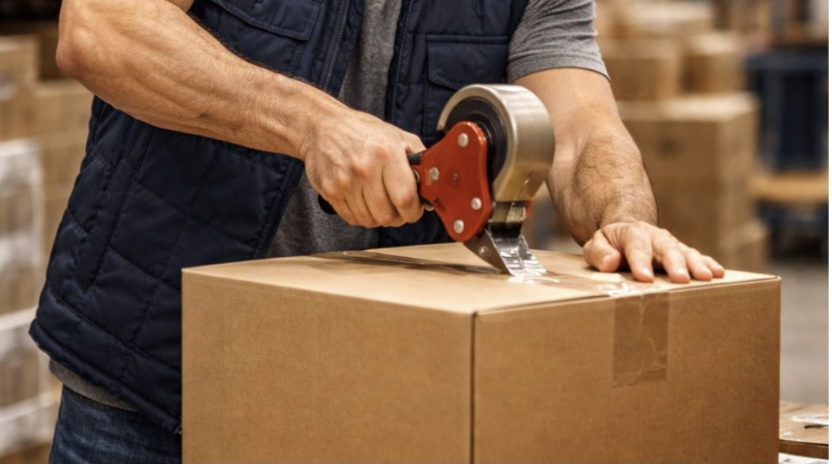
USDT Payments for Wholesalers: Getting Paid in USD
How wholesalers accept USDT payments from international buyers and receive USD in a US bank account, with compliance checks and same-day settlement.
-
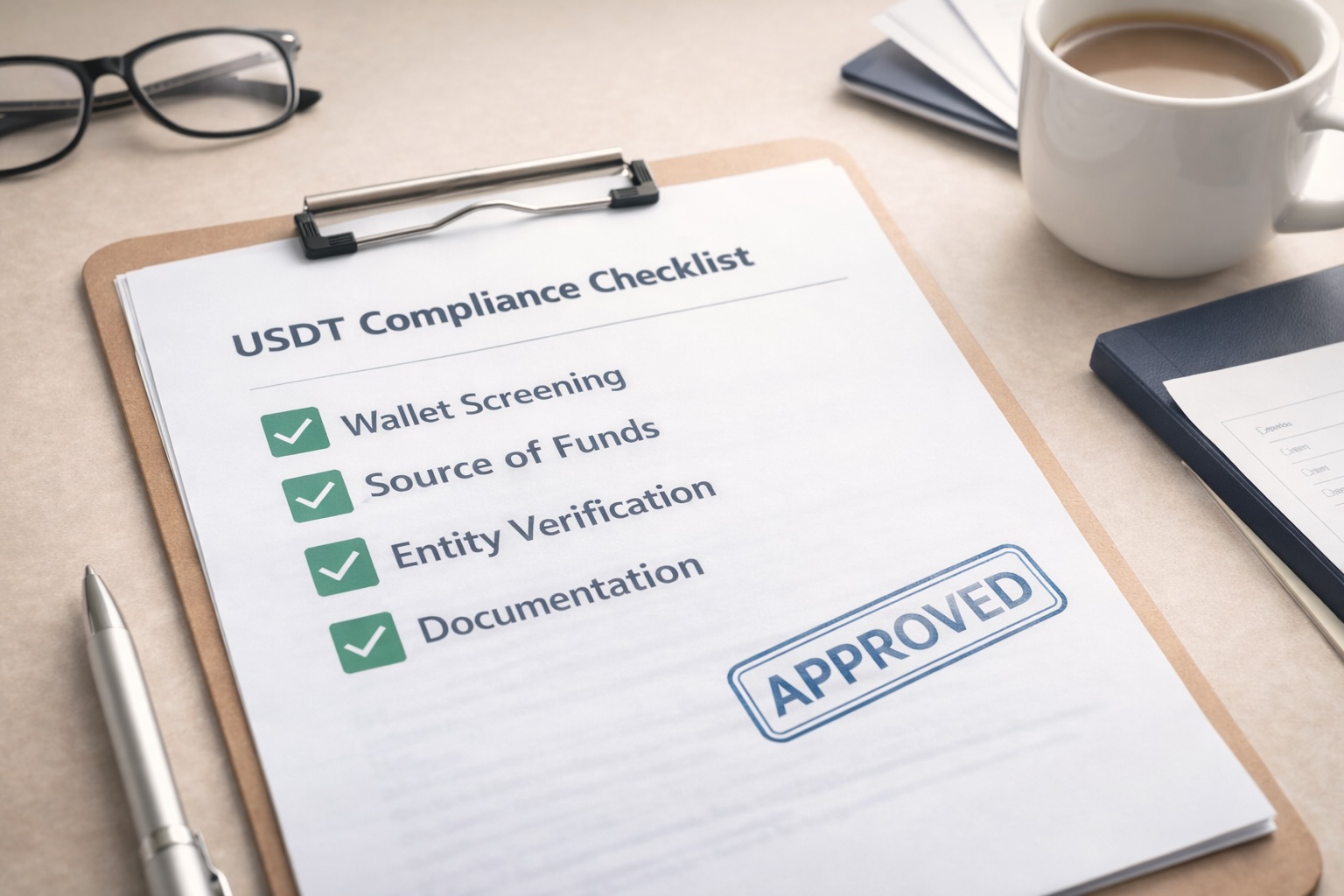
How US Wholesalers Accept USDT Payments Legally
US wholesalers can accept USDT payments legally by screening wallets, verifying source of funds, and documenting every transaction for their bank.
-
LATAM Cross-Border Payments: Why Buyers Prefer USDT
LATAM cross-border payments are slow and costly in local currency. Why importers across Latin America now prefer paying their US suppliers in USDT.
-
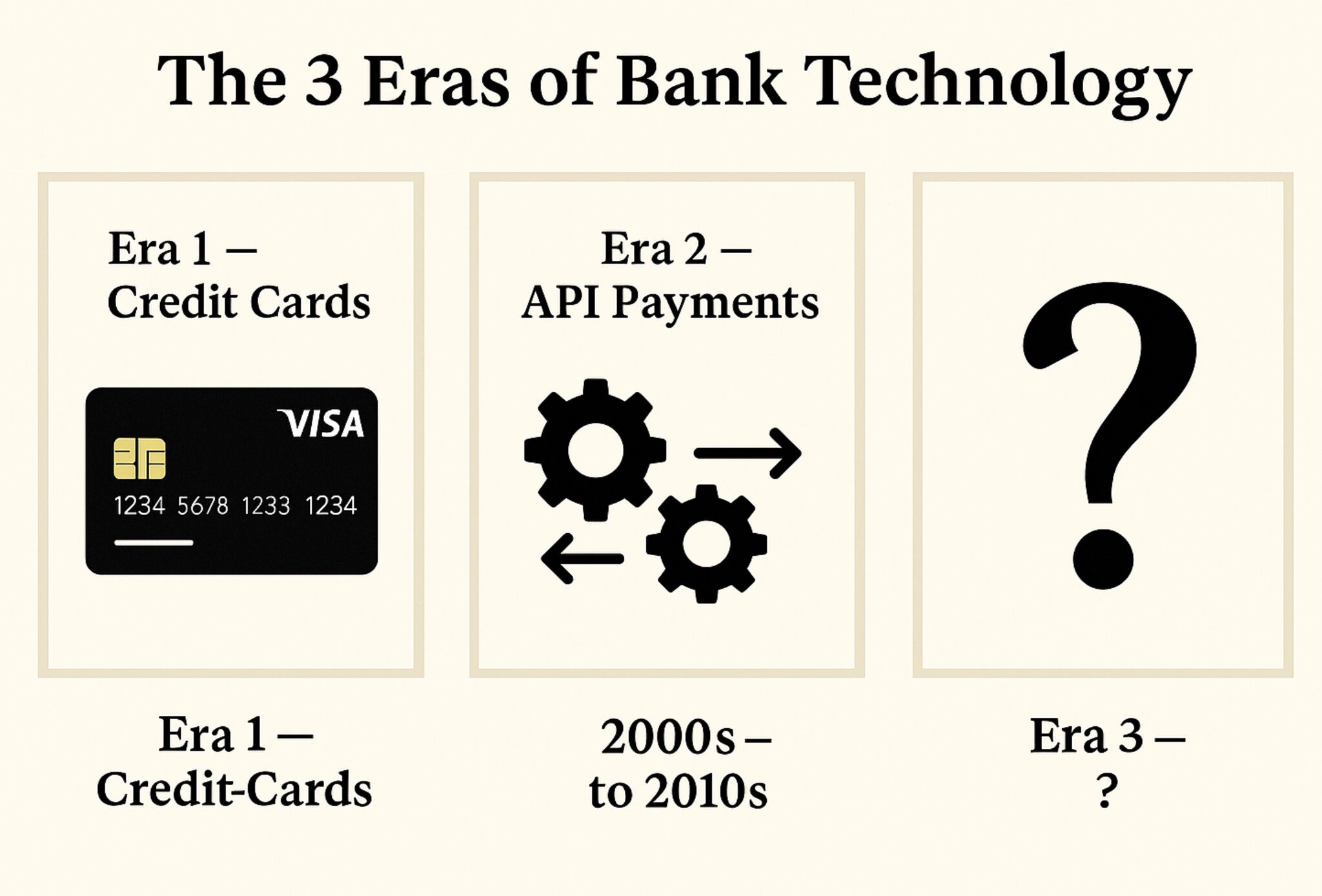
The 3 Eras of Banking for Global Trade
Banking for global trade moved from cards to APIs to stablecoins. What each era solved, and the settlement gap most banks still leave for exporters.